

- |
- |
- |
- |
In a Nutshell
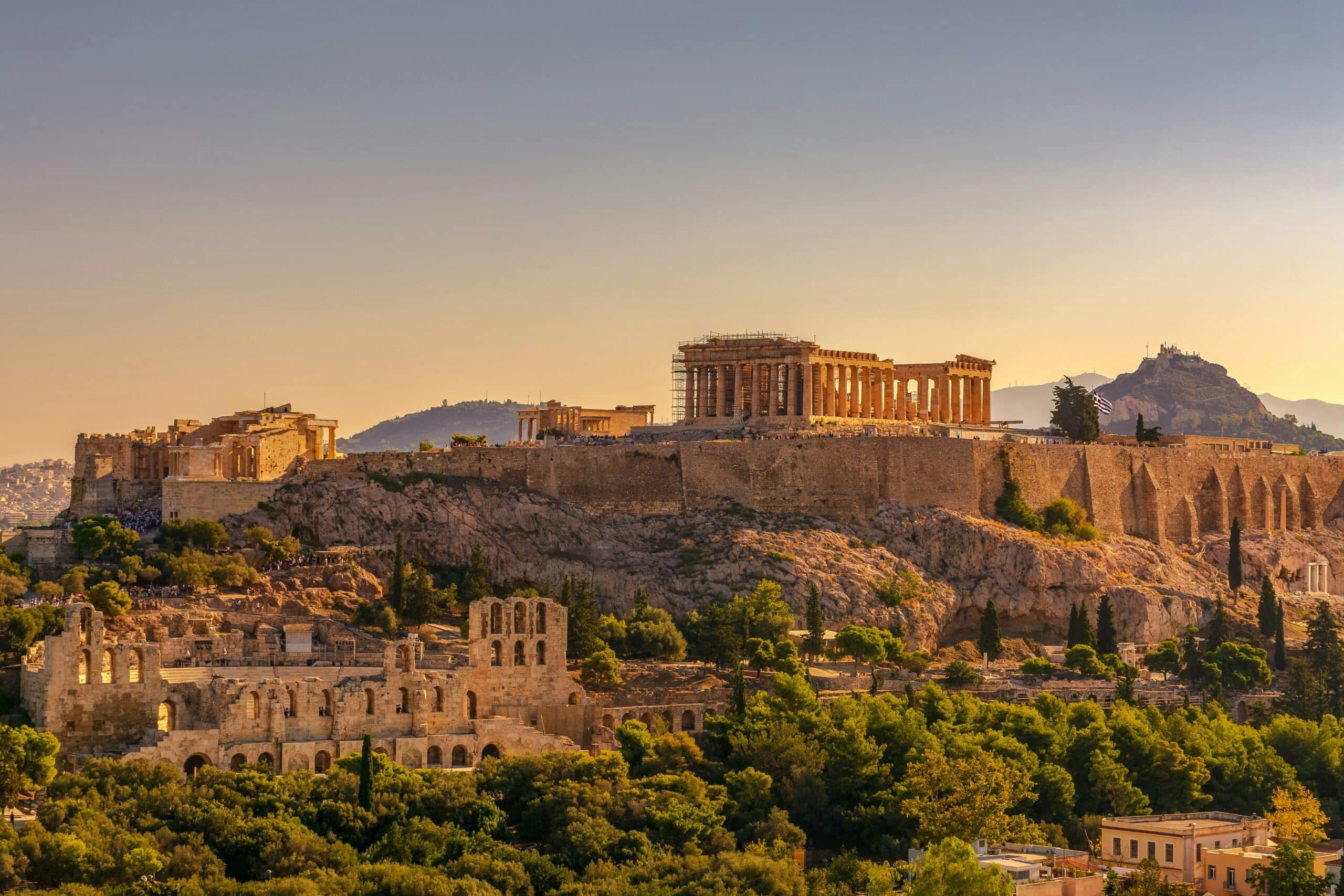
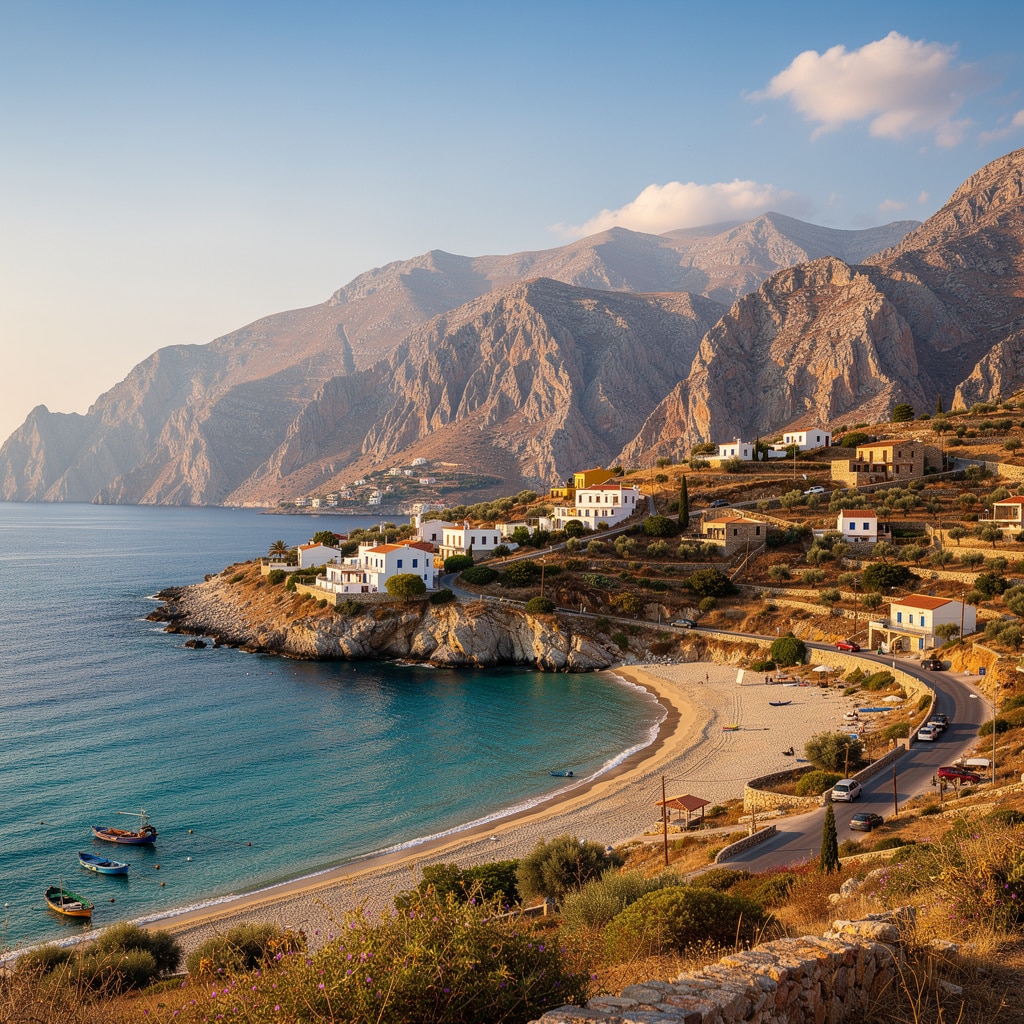
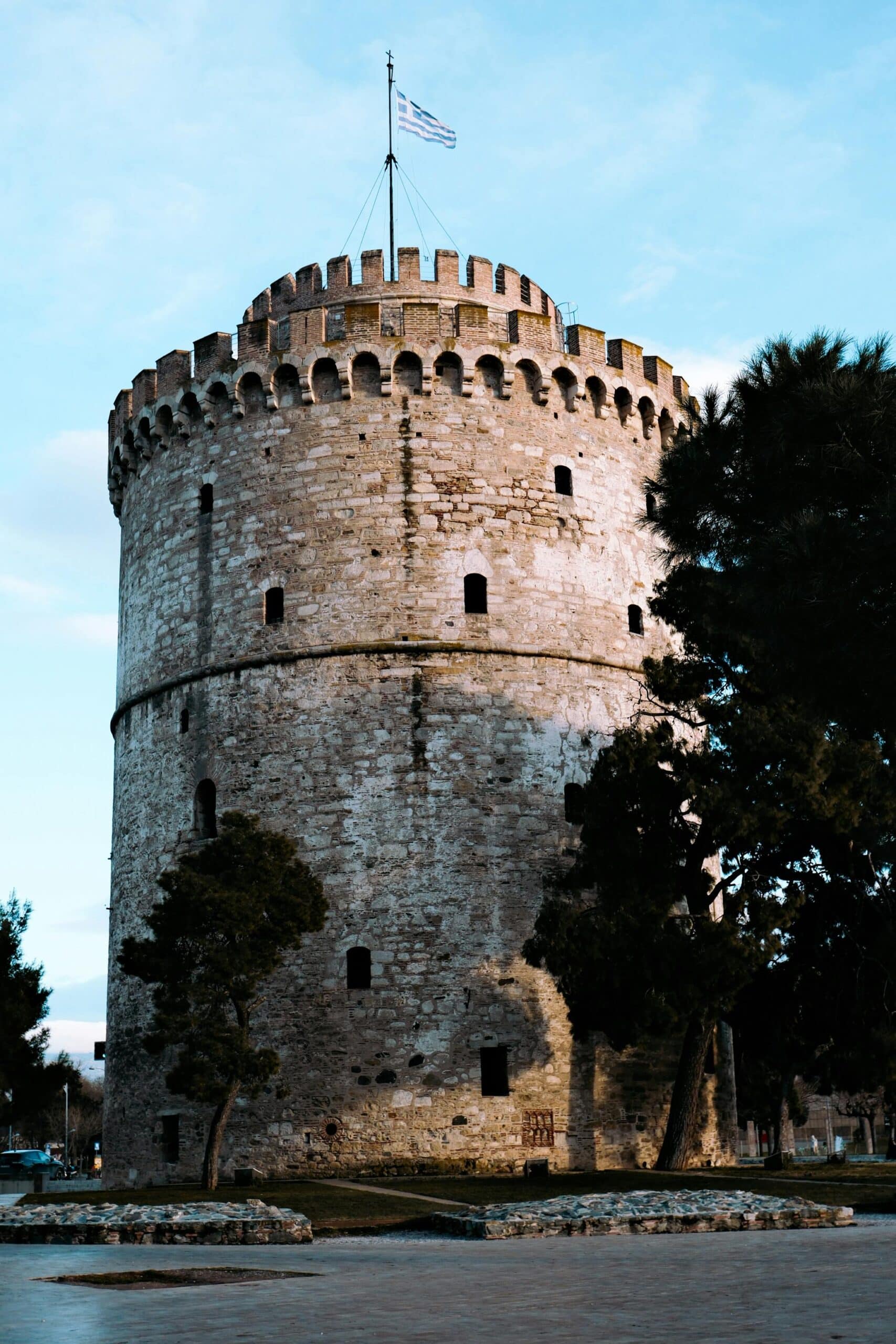
Most travelers make the mistake of treating Greece like a seasonal pop-up shop that closes its doors in October. In reality, regions like the Peloponnese and Crete don't just "stay open"—they actually breathe better once the summer heat breaks. There is a sophisticated "sweet spot" in the shoulder and winter seasons where high-end boutique stays in places like Nafplio or Chania drop to a very reasonable $130–$160/night. This price point unlocks historic manor houses and stone-built mountain lodges that offer a level of authentic character you simply won't find in a seasonal beach resort. Whether you’re exploring the industrial-cool cafes of Thessaloniki or the Byzantine ruins of Mystras, the focus here is on "genuine hospitality" without the frantic pace of the high season.
What to Look For
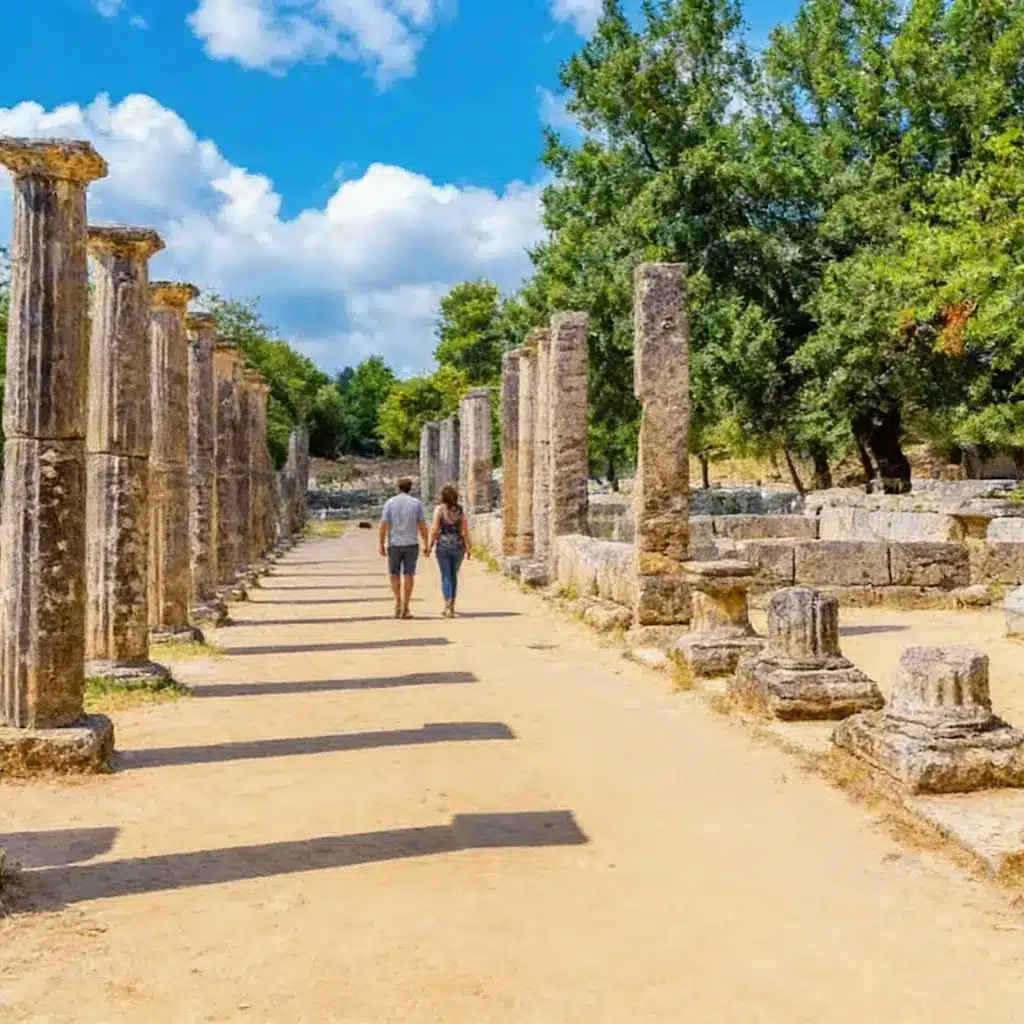
1. The "Open vs. Ghost Town" Trade-off When planning a year-round trip, your biggest "Trade-off" is between the islands and the mainland. While Crete remains a living, breathing entity in the winter with a bustling local university and agricultural scene, many smaller islands effectively hibernate. If you head to the Peloponnese or Athens, your money stretches further into the city centers where the "real" local life happens. In 2026, we’ve noticed that travelers who opt for the mainland in the off-season get better access to archaeological sites like Olympia or Delphi without the cruise-ship crowds, though you’ll trade swimming weather for crisp hiking air.
2. Vibe & Demographic The demographic shifts significantly outside of July and August. Athens and Thessaloniki become "tribe" spots for digital nomads and culture seekers, offering a lively, intellectual vibe that feels more European capital than beach holiday. If you’re traveling with a tribe in winter, the Peloponnese offers the best logistics for road trips, with well-maintained roads leading to ski centers like Kalavryta. Conversely, Crete remains the sanctuary for retirees and slow-travelers who want the warmest possible winter temperatures in Europe without sacrificing modern hospital access or high-speed internet.
3. Regional Logistics & Transport The transport reality in 2026 is that ferry schedules are drastically reduced from November to March. This is the ultimate "Deal-Breaker" for island hopping. If you aren't a fan of unpredictable sea conditions, the mainland is your best friend. Athens and Thessaloniki serve as perfect bus and train hubs, while the Peloponnese is best conquered with a rental car. Be aware that mountain passes in Northern Greece and the Peloponnese do see snow; if you're planning a winter road trip to see the stone villages of Zagori or the wineries of Naoussa, ensure your rental is equipped for the terrain.
Need Inspiration ?
- Smart Itinerary Search
- Curated by Local Experts
- Curated Best-of-Greece List
- Easy Search w/ Smart Filters
- Curated Best-of-Greece List
- Easy Search w/ Smart Filters
Expert Greece Planning
Read more Articles
Ready to Start Planning?
Book a free consultation with our travel experts and create your perfect Greek itinerary.