


- |
- |
- |

- |

- |
In a Nutshell: Navigating Athens' Core via its Metro
Athens' metro system offers more than just rides; it's your primary navigation tool for the city's historic core and beyond. Forget generic 'must-sees'; this isn't about picture-perfect squares but understanding the functional reality of central Athens. For the independent traveler aiming to maximize time, avoid tourist traps, and grasp the city's layout, understanding these key metro stations is crucial. They are direct gateways, each with its own distinct character—from the ceremonial efficiency of one to the energetic market atmosphere of another—and provide immediate access to what you actually came to see, all while keeping you grounded in the practicalities of urban travel.
What to Look For: Your Station Selection Strategy
When choosing which metro stop best suits your Athens agenda, consider your primary mission. If immediate access to the Acropolis Museum is paramount, a direct line is key. For those tracking governmental functions and major ceremonies, proximity to Parliament is your guide. If you prefer navigating through historical markets and dense alleyways, focus on stations that drop you directly into those environments, accepting the inherent crowd levels. Also, factor in multi-line access; stations where several lines converge offer greater flexibility for wider city exploration, versus those serving a single, more niche purpose.
The Pricing & Value Reality
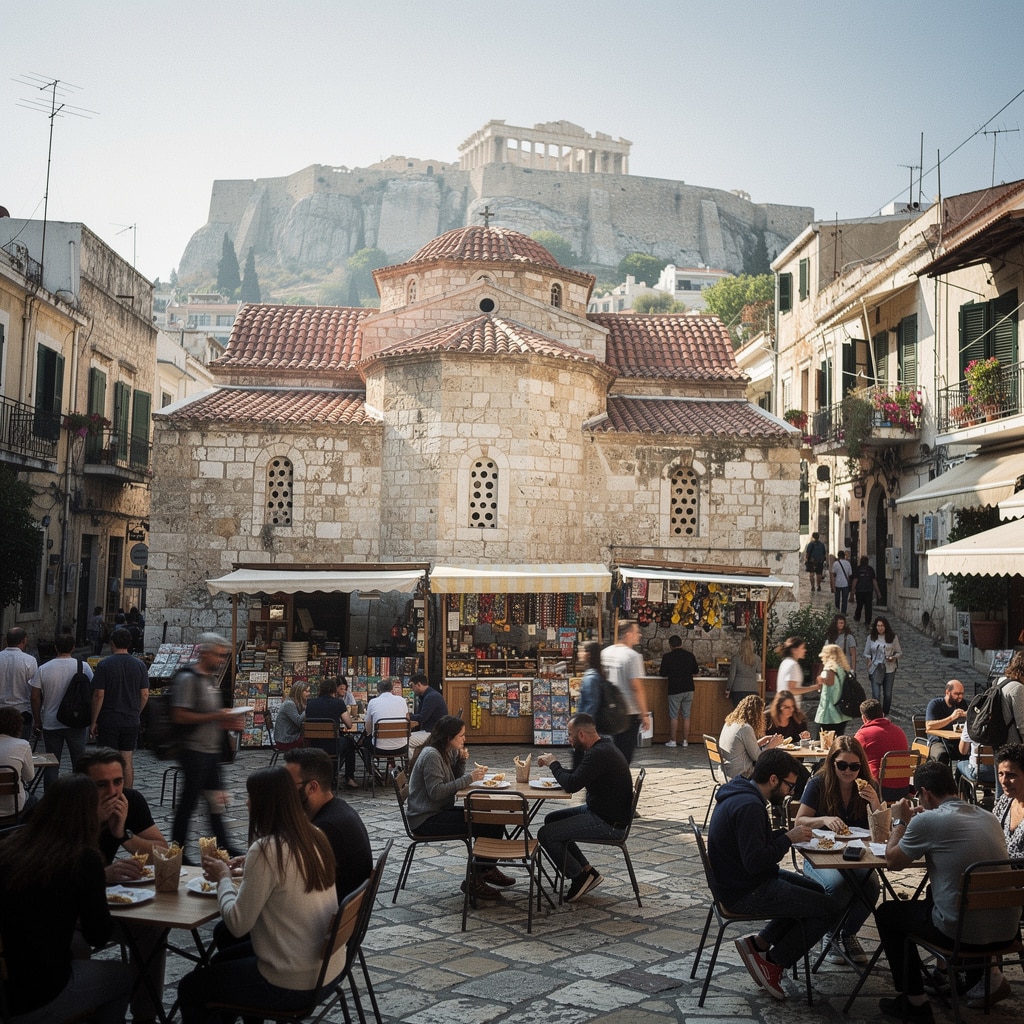
Athens' metro offers excellent value for transport. A single ticket costs a flat €1.20, valid for 90 minutes across all transport modes, making it economical even for short hops between major sites. This helps you avoid expensive taxi rides for distances easily covered by train. Food costs around stations like Monastiraki are generally predictable; a street gyros should run you about €3.00. The real value is in efficiently linking major sites without needing a car or dealing with parking, freeing up budget for experiences rather than logistical headaches. Be mindful that convenience often comes with higher prices for casual souvenir purchases right outside popular exits.
Transport & 2026 Logistics
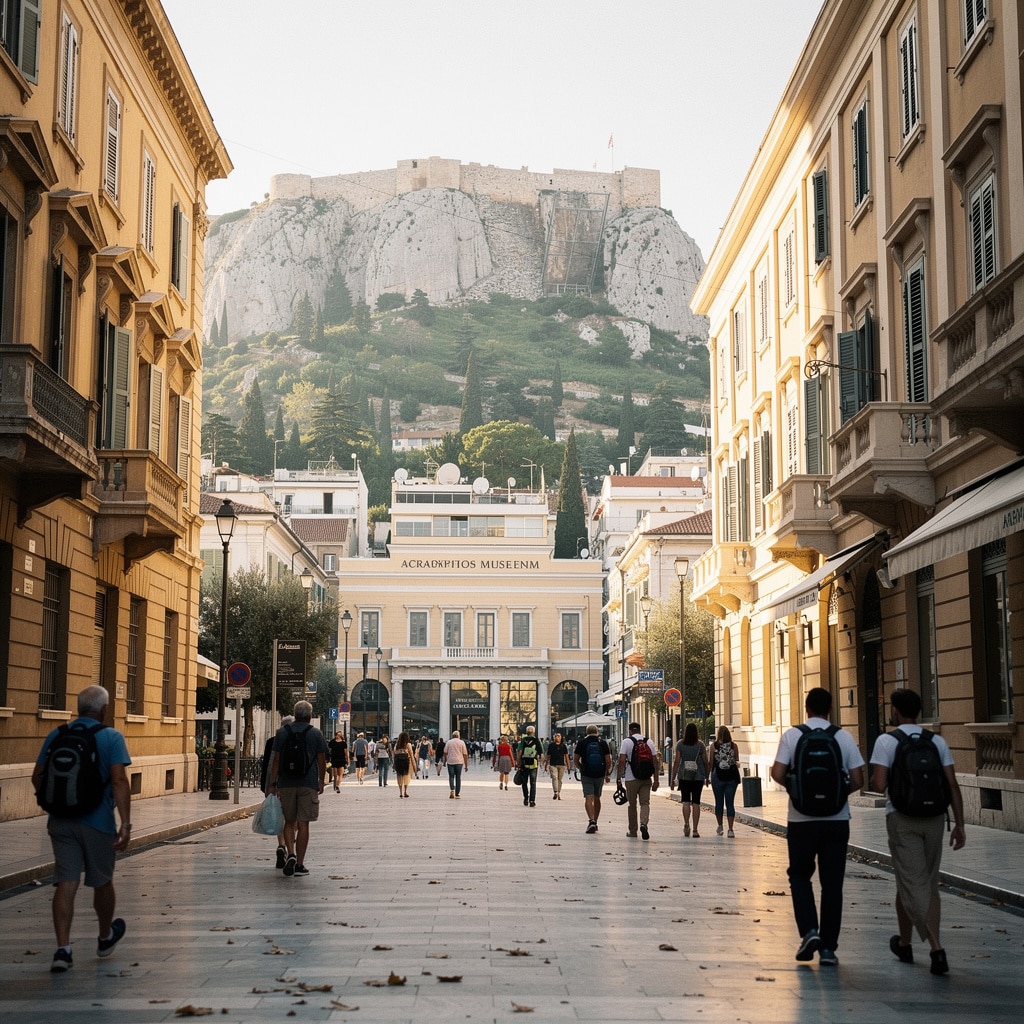
Navigating Athens' metro effectively requires a bit of timing. For popular sites like the Acropolis Museum, aim to exit your station before 9:30 AM to bypass the bulk of morning queues. If witnessing the Changing of the Guard is on your list, be at Syntagma Square by 10:45 AM on Sunday to catch the full ceremony, not just the smaller hourly shifts. Pay attention to specific station exits; they can significantly shorten your walk to a specific landmark. Also, while the metro is underground, prepare for considerable uphill walking from stations like Akropoli, as many key archaeological sites are on elevated terrain. Streets around stations can be wide and exhaust-filled, so plan your surface navigation accordingly, especially during midday heat.
Need Inspiration ?
- Smart Itinerary Search
- Curated by Local Experts
- Curated Best-of-Greece List
- Easy Search w/ Smart Filters
- Curated Best-of-Greece List
- Easy Search w/ Smart Filters
Expert Greece Planning
Read more Articles
Ready to Start Planning?
Book a free consultation with our travel experts and create your perfect Greek itinerary.