

- |
- |
- |
- |
In a Nutshell: Navigating the Aegean Sea
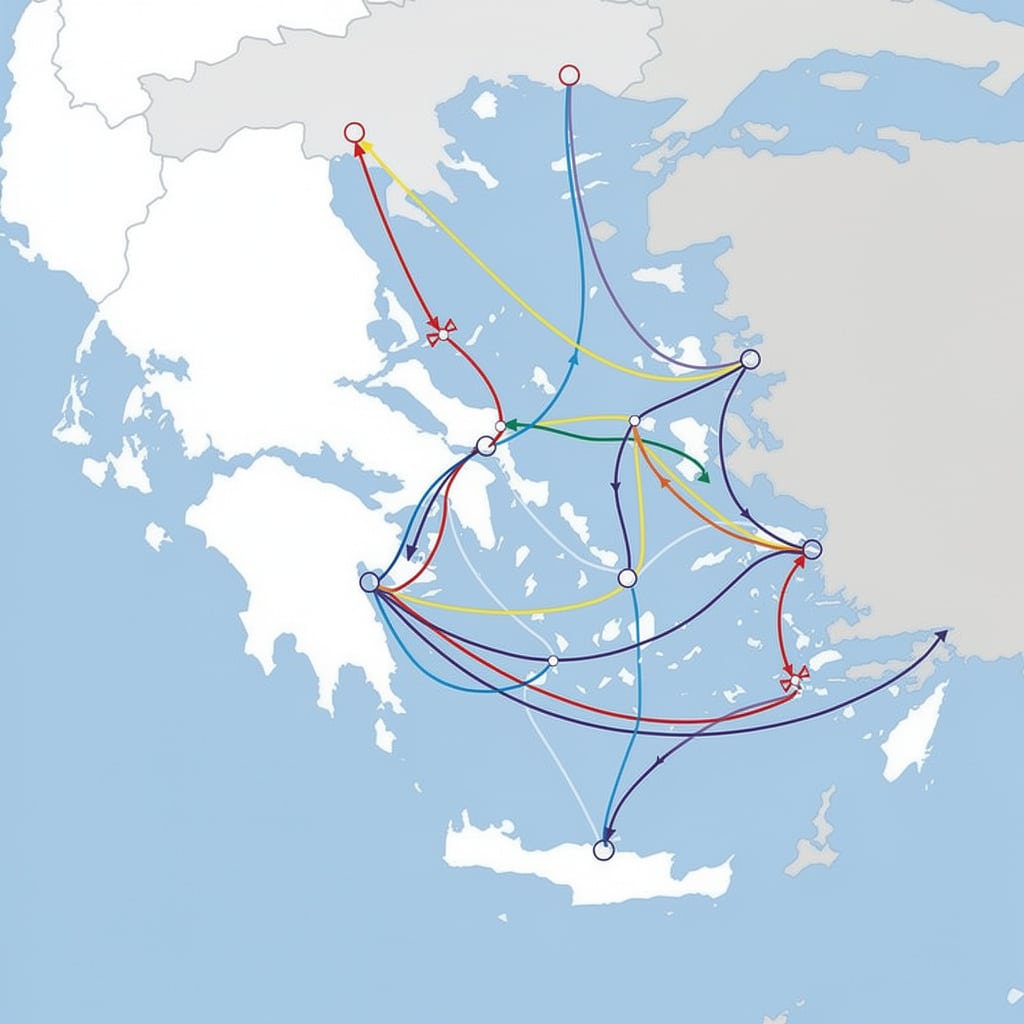
While the iconic images of Greece often focus on whitewashed villages, the real secret to unlocking a flawless island-hopping experience for 2026 lies in smart transport choices. It’s more than just getting from A to B; it’s about aligning your journey with your desired pace and budget. We’ve found that a thoughtful approach, often blending modes, can create a truly high-value trip for the cost of a good ferry ticket—often just a little over $50-$100 per leg for major routes. From the efficient pace of high-speed ferries connecting hubs like Mykonos and Santorini, to the relaxed, car-friendly conventional ferries sailing to Naxos or Paros, and even the strategic leaps of domestic flights for longer distances, our selections emphasize efficient connections and an authentic sense of place without unnecessary hassle. It’s about choosing the right vessel for your voyage, ensuring your time is spent enjoying the islands, not stressing about the journey.
The Speed vs. Scenic Trade-off
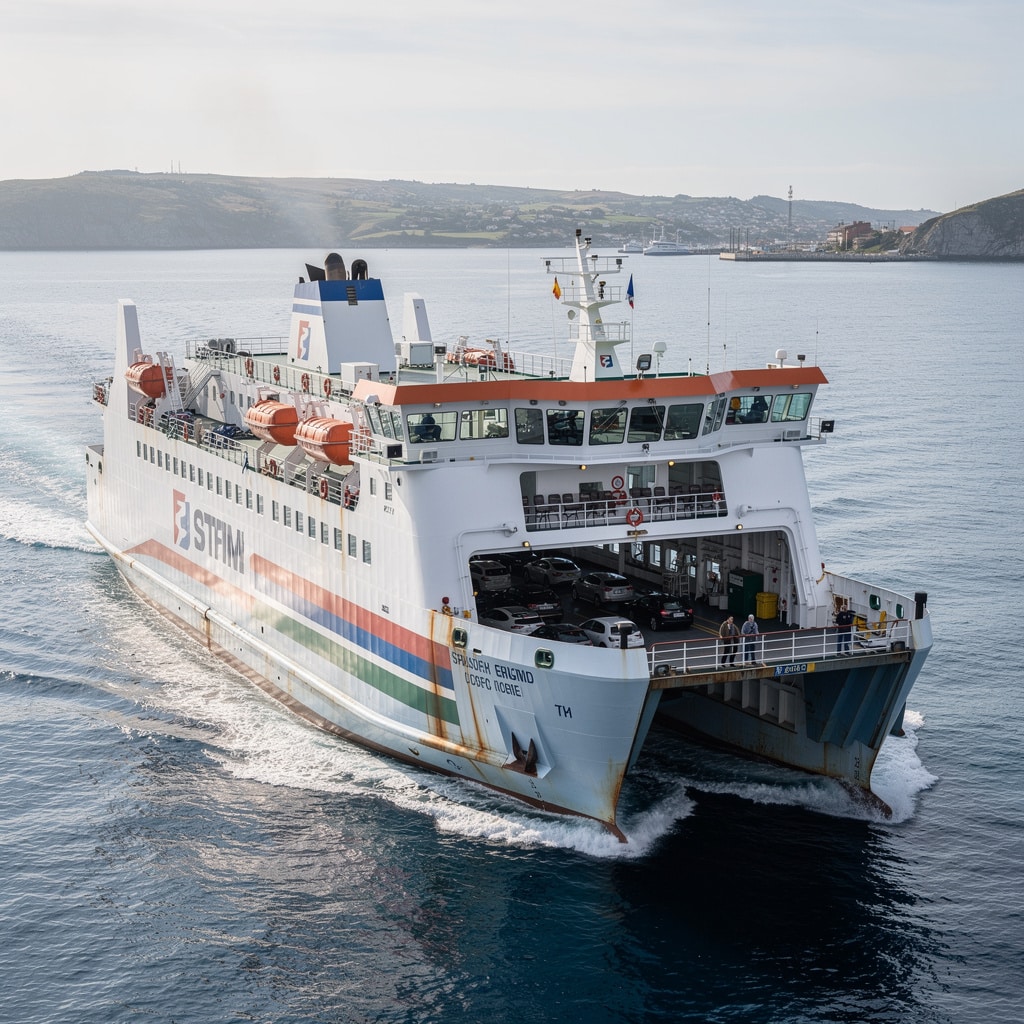
When planning your Greek island transfers, you're primarily weighing speed against the journey itself. High-speed ferries, like those connecting popular Cycladic islands, will get you there quickly, often in under an hour for shorter hops. However, you'll spend most of the trip indoors, sacrificing the open-air deck experience and the gradual reveal of the islands from the sea. Conversely, conventional ferries are slower and can add hours to a trip, but they offer significantly cheaper fares, stable rides, and the invaluable opportunity to sit on deck, feel the sea breeze, and truly embrace the journey. For 2026, consider if your budget is better spent on reducing transit time or on a more relaxed, picturesque voyage that allows for car transport, which can save you significant on-island rental costs later.
Vibe & Demographic: The Efficient Duo vs. The Relaxed Tribe
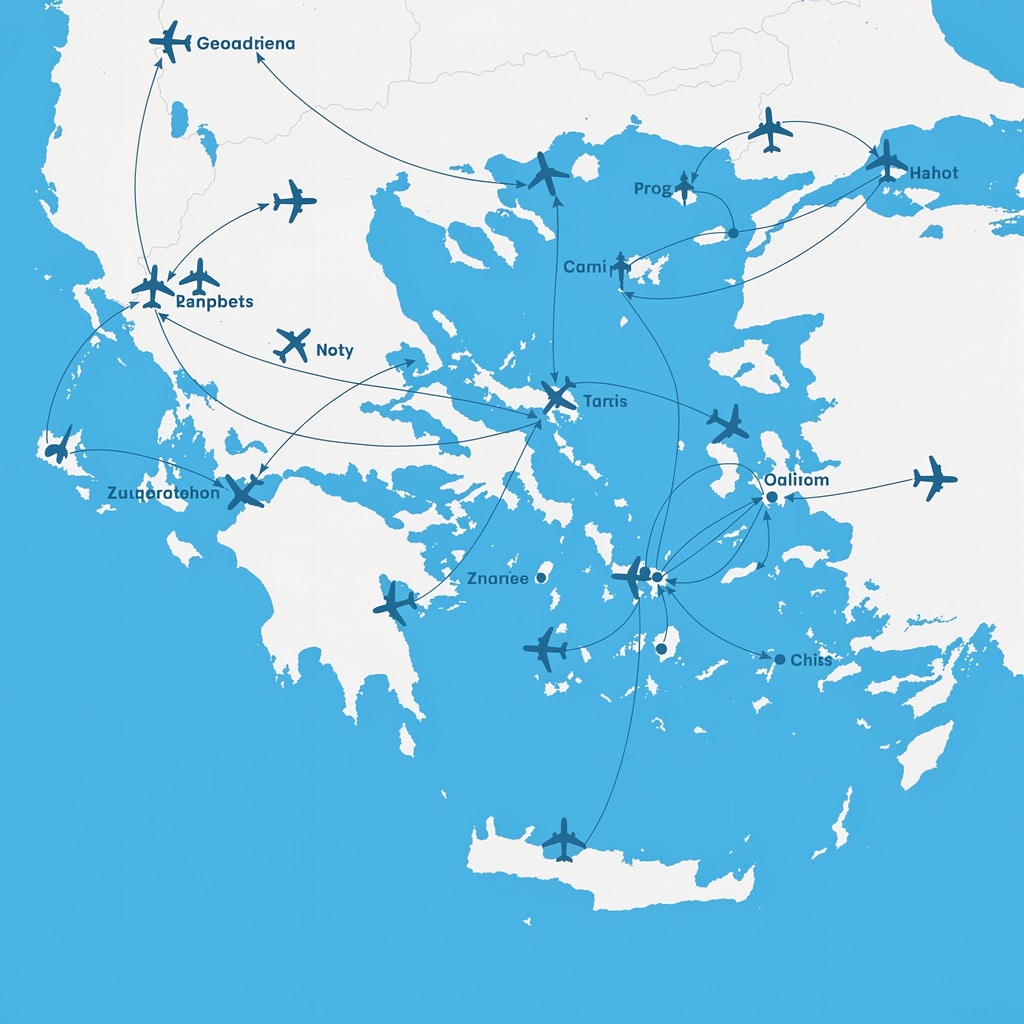
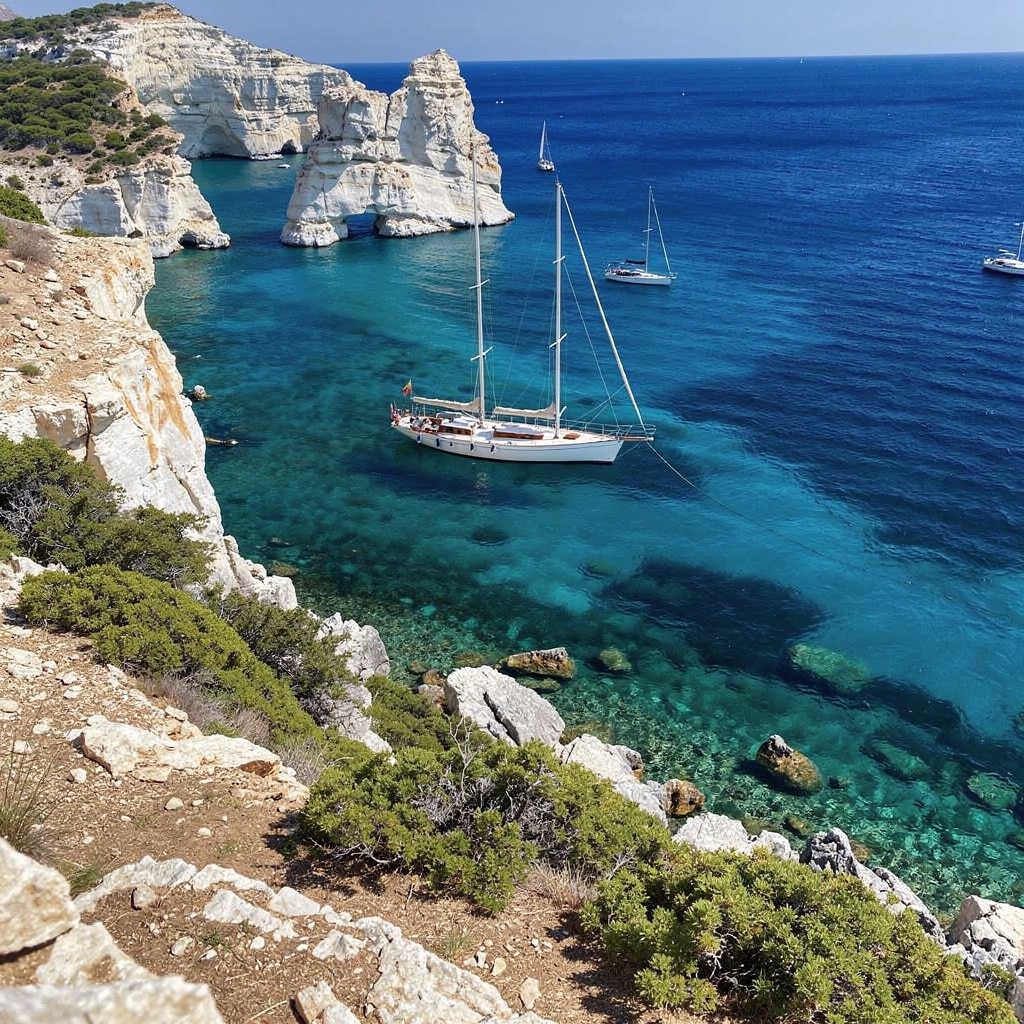
The right transport mode often depends on who you're traveling with. For couples or solo travelers on a tighter schedule, domestic flights for long-distance jumps (e.g., Athens to Crete) or high-speed ferries between closely-knit islands offer efficiency. They prioritize direct routes and minimize transit time, allowing more moments for discovery. If you’re traveling with a family, especially with young children or significant luggage, conventional ferries become much more appealing. The extra space, the ability to bring a rental car onboard, and the option to wander on deck make for a less stressful journey for a "tribe." For ultimate privacy and flexibility, a sailing yacht offers a bespoke experience, perfect for a group wanting to explore secluded coves and dictate their own pace, albeit at a significantly higher premium.
Port Access & On-Island Logistics
The practicalities of where your chosen transport drops you off are crucial. High-speed ferries typically arrive at the main, often bustling, ports of major islands. This usually means easy access to local buses, taxis, or pre-arranged transfers to your accommodation. Conventional ferries might use these same main ports, but for larger islands or specific routes, they could dock at secondary ports, which may require more planning for your onward journey. Domestic flights, naturally, mean airport transfers, which can be a significant cost and time commitment depending on the island's infrastructure (e.g., getting from Santorini airport to Oia). For 2026, always factor in the "last mile" cost and time—the seemingly small detail of getting from the port or airport to your hotel can add unexpected expense and fatigue if not pre-planned.
Need Inspiration ?
- Smart Itinerary Search
- Curated by Local Experts
- Curated Best-of-Greece List
- Easy Search w/ Smart Filters
- Curated Best-of-Greece List
- Easy Search w/ Smart Filters
Expert Greece Planning
Read more Articles
Ready to Start Planning?
Book a free consultation with our travel experts and create your perfect Greek itinerary.